


2026.10.29
活動報告
世界で活躍するアスリートを支える ― アーティスティックスイミングの現場から学ぶ、私たちの役割 ―
はじめに
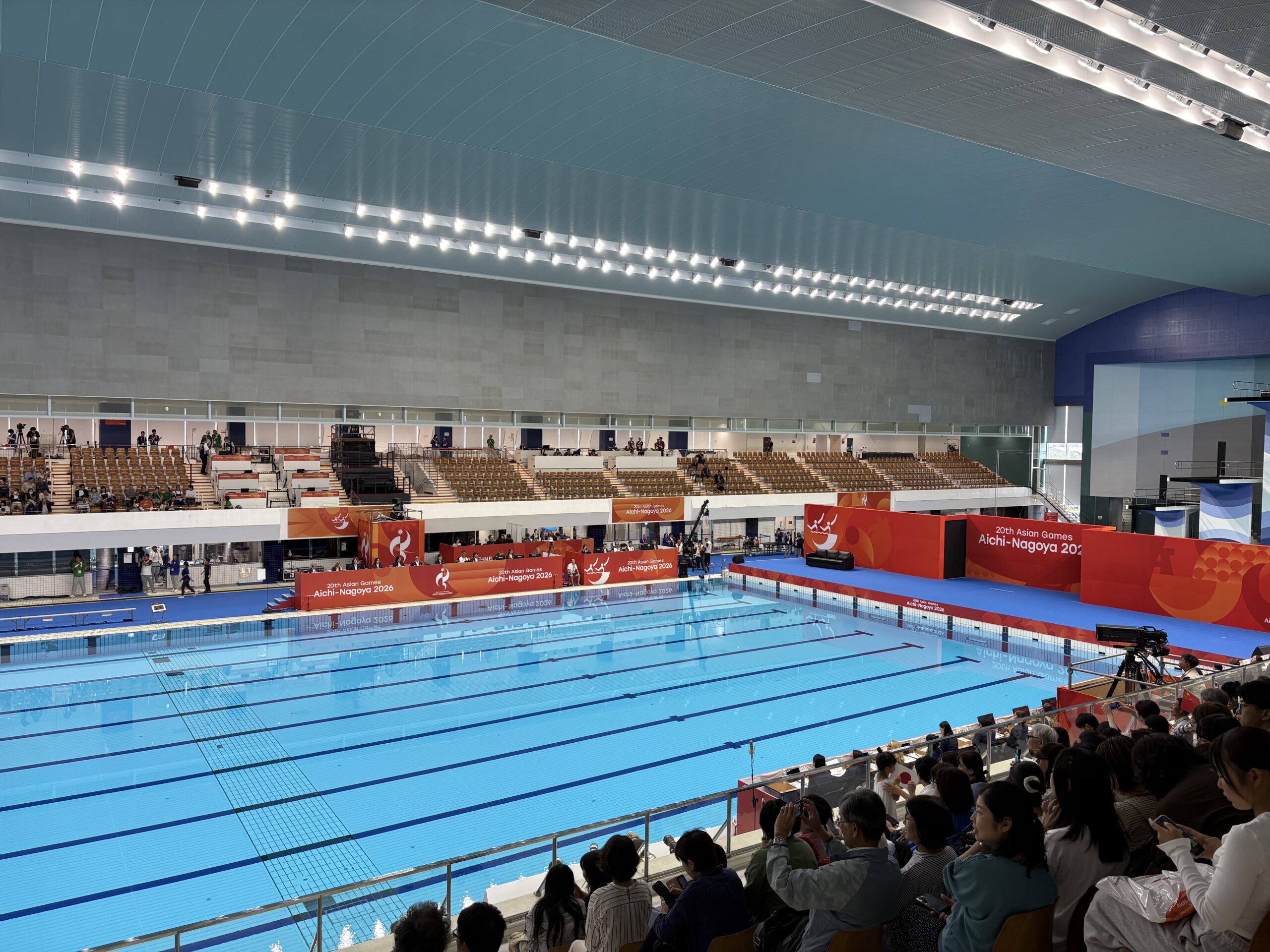
2026年9月26日、27日に浜松市で開催されたアジア競技大会のアーティスティックスイミング競技を観戦しました。
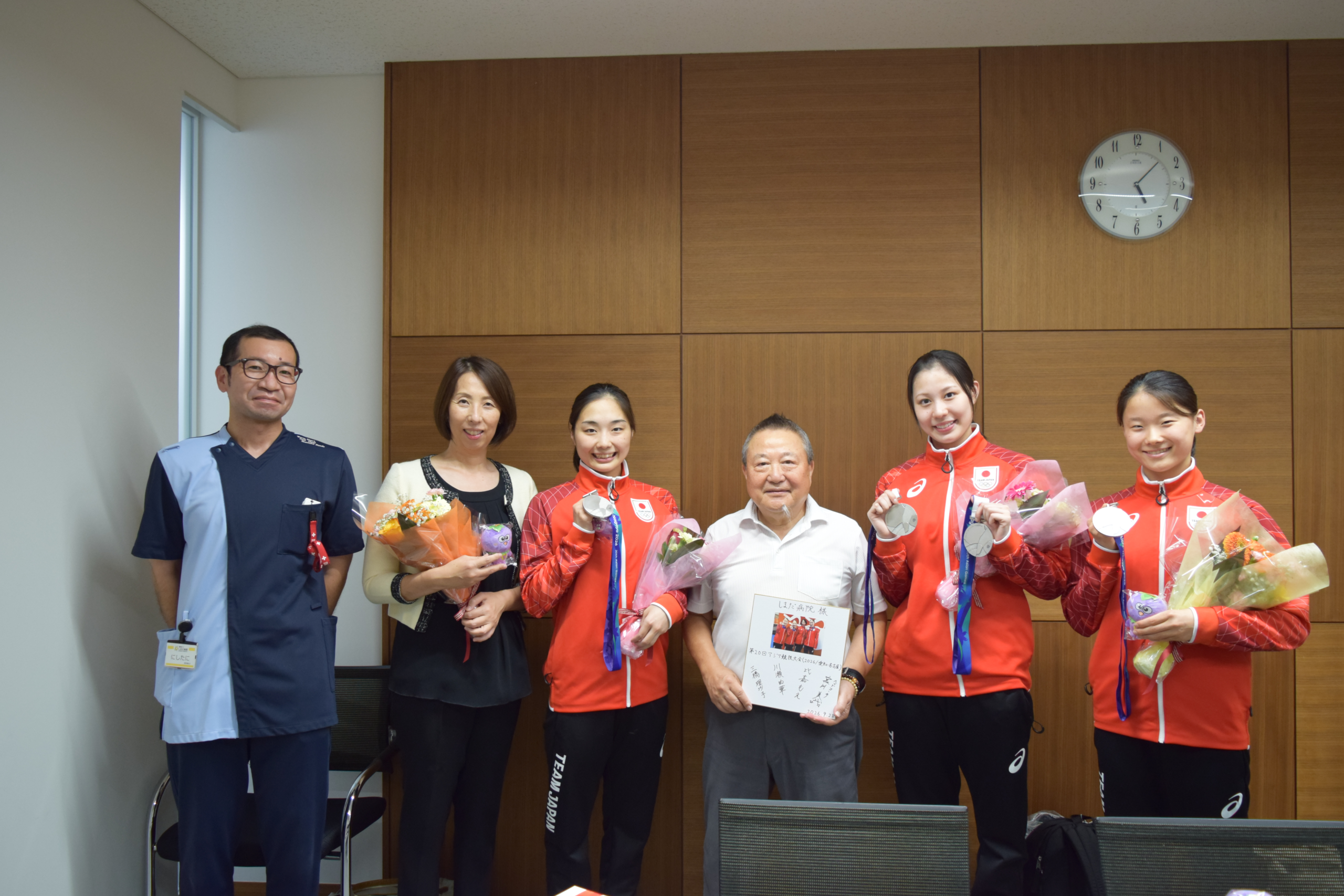
今大会には日頃から関わっている井村アーティスティックスイミングクラブから3名が、日本代表として参加しました。
今回は、関わっている選手たちの演技を応援するとともに、日本や海外のトップレベルの選手たちの動きを間近で見ることで、競技の特徴や身体の使い方について学ぶ機会となりました。
アーティスティックスイミングとは?
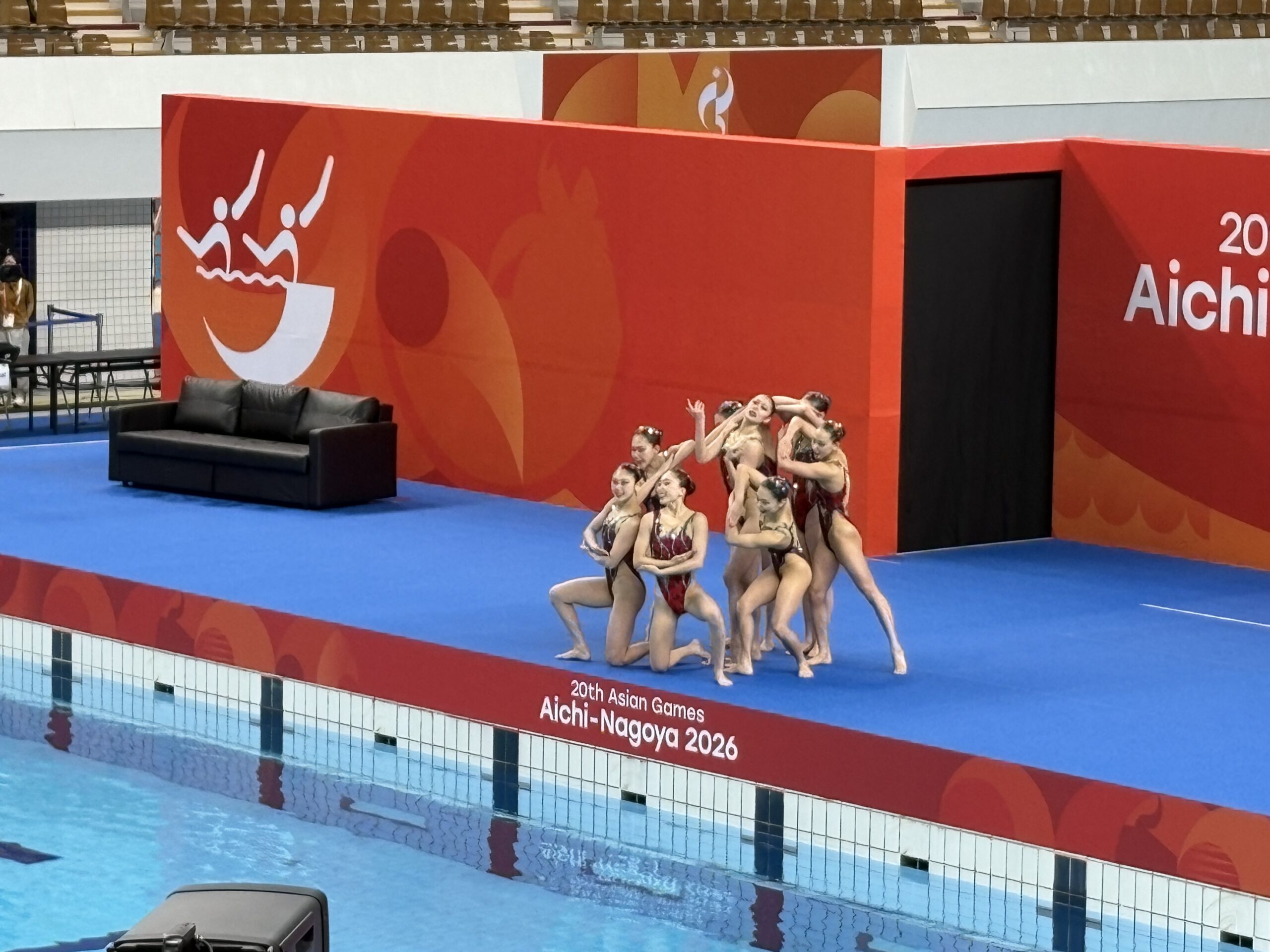
アーティスティックスイミングは、音楽に合わせて水中や水上で多彩な動きを組み合わせ、技術の正確性や演技の表現力などを競うスポーツです。
華やかで美しい演技が注目されますが、その裏側では、水中で身体を支える筋力、柔軟性、持久力、そして全身を連動させる高度な身体操作能力が求められます。
特に、水中で身体を高く持ち上げる動作や、脚を水面上に伸ばして行う動作では、限られた支持基盤の中で姿勢を保ちながら、複数の身体部位を協調させる必要があります。
美しい演技を実現するためには、単に筋力や柔軟性を高めるだけでなく、それらを競技動作の中で効率よく発揮することが重要です。
井村アーティスティックスイミングクラブとの関わり
井村アーティスティックスイミングクラブは、国内外で活躍する選手を輩出してきたクラブチームです。
私は理学療法士として10年以上にわたり、選手たちのトレーニング指導や身体機能の評価、個別のコンディショニングなどに携わってきました。
選手の身体は一人ひとり異なり、競技レベルが高くなるほど、求められる身体機能や動作の精度も高くなります。そのため、筋力や柔軟性といった個々の機能だけでなく、実際の競技動作を踏まえて身体の状態を評価し、それぞれの選手に合ったサポートを行うことを大切にしています。
また、選手が日々の練習や試合で力を発揮し、長く競技を続けながら成長していくためには、目の前の課題に対応するだけでなく、将来を見据えて身体づくりを進めることも重要です。選手や指導者の方々と情報を共有しながら、その時々の身体の状態や競技上の課題に応じて、トレーニングやコンディショニングの方法を考えていくことが、私の役割の一つだと考えています。
今回の大会では、日頃から身体づくりやコンディショニングに関わっている選手たちの演技を実際に見ることができ、これまでのサポートを振り返る貴重な機会となりました。
世界のトップレベルの演技から得た学び
今回の大会では、井村アーティスティックスイミングクラブから日本代表として出場した選手たちを応援するとともに、日本や海外のトップレベルの選手たちの演技を直接観察することができました。
実際に会場で観戦すると、映像だけでは捉えきれない動きの大きさや迫力、身体の使い方などを感じることができます。特に印象的だったのは、演技の美しさを支える身体能力の高さと、全身を連動させた動作の精度です。アーティスティックスイミングでは、身体を大きく見せることも演技の印象を左右する要素の一つです。しかし、単に大きく動かすだけではなく、身体の各部位を適切にコントロールし、動きのつながりや伸びやかさを生み出すことが重要だと改めて感じました。
また、同じ競技の中でも、選手によって身体の使い方や動きの表現にはそれぞれ特徴があります。関わってきた選手たちの演技を実際に見ながら、普段のトレーニングやコンディショニングで意識している身体の使い方が、競技の中でどのように表現されているのかを確認できたことも、大きな学びとなりました。
世界レベルの選手たちの演技を観察したことで、今後の選手サポートにおいて、どのような身体機能や動作能力に着目していくべきかを考える貴重な機会となりました。
今回得られた気づきを、今後の身体機能の評価やトレーニング指導に反映し、選手が競技の中で持てる力を発揮できるよう、日々のサポートに生かしていきたいと考えています。
理学療法士として、競技力向上を支える
理学療法士の役割は、けがをした選手の治療や復帰を支援することだけではありません。
競技特性や選手個々の身体的特徴を理解し、けがの予防から身体機能の向上、競技パフォーマンスの発揮まで、幅広い視点から選手を支えることも重要な役割です。
選手が日々の練習や試合で力を発揮するためには、身体の状態を継続的に確認し、疲労や小さな違和感を見逃さず、必要に応じてトレーニング内容やコンディショニングを調整していくことが大切です。
また、選手や指導者の方々と目標や課題を共有し、競技の要求に応じた身体機能を段階的に高めていくことも、理学療法士としての重要な役割です。今回、日頃から関わっている選手たちが日本代表として競技する姿を見たことで、日々の身体サポートが大きな舞台でのパフォーマンスにつながっていることを改めて実感しました。
同時に、選手が本番で力を発揮するためには、日常の小さな変化に目を向け、継続的に身体を整えていくことが大切だと感じました。今回の大会で得た経験を、日々の選手サポートに生かすとともに、競技現場で培った身体機能の評価や動作分析の視点を、病院でのリハビリテーションにも還元していきたいと考えています。
最後に
今回の観戦は、世界のトップレベルの演技を学ぶ機会であると同時に、日頃から関わっている井村アーティスティックスイミングクラブの選手たちを、日本代表として応援する機会でもありました。選手たちの演技を会場で見ることで、競技の特徴や身体の使い方について、改めて理解を深めることができました。
これからも、選手や指導者の方々と連携しながら、一人ひとりの身体の状態や競技上の課題に合わせたサポートを行い、選手が持てる力を発揮できるよう、身体面から支えていきたいと思います。今回得た学びを今後の選手サポートに生かし、選手たちが国内外の舞台で活躍できるよう、理学療法士として研鑽を重ねていきます。
今後とも、井村アーティスティックスイミングクラブの選手たちへの温かいご声援をよろしくお願いいたします。
Supporting World-Class Athletes ― What I Learned on the Front Lines of Artistic Swimming and Our Role as Physical Therapists ―
Introduction
On September 26 and 27, 2026, I had the privilege of attending the artistic swimming competition at the Asian Games held in Hamamatsu City. Three athletes from the Imura Artistic Swimming Club—a team I work with regularly—represented Japan on this major stage.
This event was not only a fantastic opportunity to cheer on the athletes I support day-to-day, but also a valuable chance to observe top-level performers from Japan and around the world up close, deepening my understanding of the sport’s unique characteristics and how these athletes utilize their bodies.
What is Artistic Swimming?
Artistic swimming is a sport where athletes combine a wide range of movements both above and under the water, synchronized to music, competing on technical precision and artistic expression. While the public often focuses on its glamorous and breathtaking aesthetics, behind the scenes, it demands incredible physical qualities: strength to support the body in water, flexibility, endurance, and highly sophisticated full-body coordination.
In particular, lifting the body high out of the water or extending legs above the surface requires coordinating multiple body parts simultaneously while maintaining posture on a very limited base of support. To deliver a stunning performance, it is not enough to simply build strength and flexibility—athletes must learn to deploy those physical attributes efficiently within their actual competitive routines.
My Involvement with the Imura Artistic Swimming Club
The Imura Artistic Swimming Club is a prestigious team that has produced numerous world-class athletes. As a physical therapist, I have been involved with the club for over a decade, providing training guidance, evaluating physical function, and delivering personalized conditioning.
Every athlete’s body is different, and as their competitive level rises, so do the demands for precise movement and functional performance. Because of this, I focus on evaluating their physical condition within the context of actual sport-specific movements—rather than looking at strength or flexibility in isolation—to provide tailored support for each individual.
Furthermore, for athletes to perform at their best in daily practice and competitions while maintaining long-term growth and career longevity, it is essential to build physical foundations with an eye on the future, rather than just solving immediate issues. I consider it my core responsibility to consult regularly with athletes and coaches, continuously adapting our training and conditioning methods to match the athlete’s changing body condition and technical goals. Seeing the athletes I regularly support perform at this major event was a deeply rewarding opportunity to reflect on our journey together.
Key Takeaways from World-Class Performances
At the event, in addition to supporting our club’s national team members, I had the opportunity to observe elite athletes from both Japan and abroad firsthand. Watching live in the arena offers a sense of scale, power, and body control that simply cannot be captured on screen.
I was especially struck by the high level of physical capability supporting the beauty of their routines, as well as the precision of their full-body coordination. In artistic swimming, making one’s movements look expansive is a key factor in creating a strong impression. However, I was reminded that it isn’t just about moving big—it’s about controlling every part of the body appropriately to create fluid, graceful movement pathways.
Even within the same sport, every athlete has unique body mechanics and expressive styles. Watching the athletes I work with in action allowed me to see how the physical concepts we focus on during routine training and conditioning translate directly into their competitive performance. Observing world-class athletes gave me invaluable insights into which physical functions and movement capabilities to prioritize in future support. I plan to translate these insights into functional assessments and training protocols to help our athletes fully unleash their potential.
Supporting Performance Enhancement as a Physical Therapist
The role of a physical therapist extends beyond treating injuries and helping athletes return to play. It also involves understanding the specific demands of the sport and the unique physical traits of each athlete to provide comprehensive support—ranging from injury prevention and functional improvement to optimizing peak performance.
To help athletes perform at their best day after day, it is crucial to monitor their physical condition continuously, catching fatigue and subtle discomfort early, and adjusting training loads or conditioning routines as needed. Sharing goals and challenges with athletes and coaches while systematically upgrading physical function to meet the sport’s demands is a core responsibility of a sports physical therapist.
Seeing our athletes compete as national representatives reaffirmed for me that daily physical support directly fuels performance on the grandest stages. At the same time, it reminded me how vital it is to pay attention to subtle daily changes and maintain consistent physical conditioning. I look forward to applying the insights gained from this competition to my daily work with athletes, as well as bringing the perspectives of movement analysis and functional evaluation cultivated in the field back to patient rehabilitation in the clinical hospital setting.
Closing Thoughts
Attending this event was both an enriching learning experience watching world-class routines and a proud moment cheering on the Imura Artistic Swimming Club athletes competing for Japan. Observing their performances live gave me a refreshed, deeper appreciation for the demands of the sport and the mechanics of athletic movement.
Moving forward, I will continue to collaborate closely with athletes and coaches, tailoring support to each individual’s physical state and competitive goals so they can achieve their highest potential. I remain committed to honing my expertise as a physical therapist to help our athletes shine both nationally and internationally.
Thank you very much for your continued warm support for the athletes of the Imura Artistic Swimming Club!